
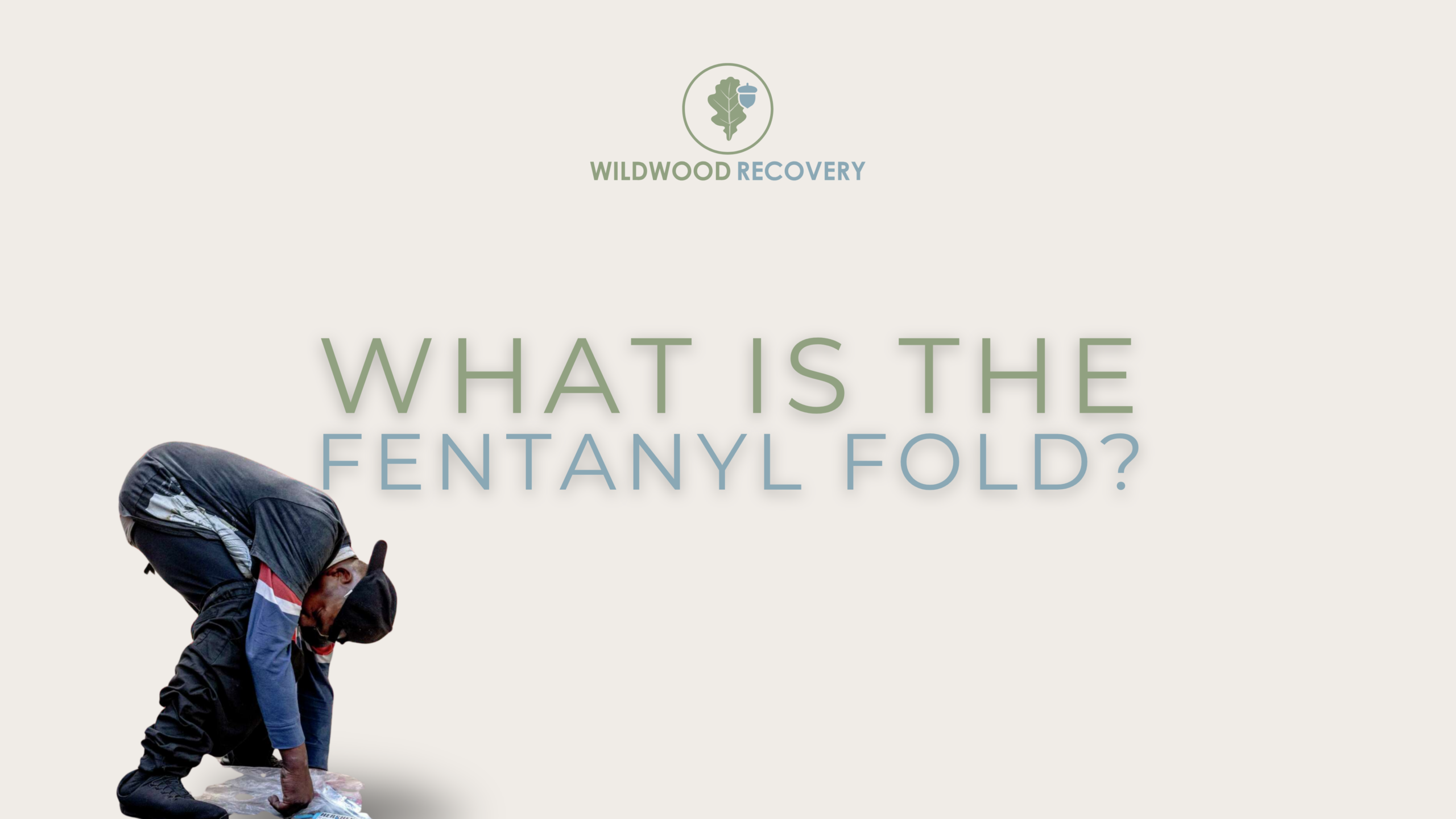
Videos and photos showing people bent forward at the waist while standing have circulated widely online in recent years. This posture is often called the “fentanyl fold.” The term is used to describe the way some people appear to freeze in place, leaning forward with their head and upper body hanging down.
While the image can be striking, the fentanyl fold reflects something serious happening inside the body. It is often associated with heavy opioid sedation, particularly from extremely potent drugs like fentanyl.
Fentanyl Fold at a Glance
| Feature | Details |
|---|---|
| Term used for | Severe opioid sedation posture |
| Common cause | High potency opioids such as fentanyl |
| Appearance | Person bent forward or slumped while standing |
| Related condition | Opioid intoxication or overdose |
| Risk level | Potential medical emergency |
| Needed response | Immediate medical attention if overdose suspected |
What Is the Fentanyl Fold?
The fentanyl fold describes a physical posture seen in some people who have taken high doses of opioids, especially fentanyl or fentanyl related substances.
People experiencing this effect may appear:
- bent forward at the waist
- slumped over while standing
- frozen in place
- extremely slow or unresponsive
This posture is usually caused by severe sedation and muscle relaxation from opioid intoxication. Although the term is informal, it is often used by outreach workers and clinicians to describe a recognizable pattern seen in communities affected by synthetic opioid use.
Why the Fentanyl Fold Happens
Opioids such as fentanyl act on mu opioid receptors in the brain, which control pain, breathing, and sedation. When a large amount of an opioid enters the body, several things can happen at once:
- brain activity slows
- muscles relax
- coordination decreases
- alertness drops dramatically
Because fentanyl is extremely potent, these effects can occur very quickly and with small amounts of the drug. In some cases, people may remain standing but lose enough muscle control that they slump forward or appear frozen in an unusual posture.
How Fentanyl Affects the Body
Fentanyl is a synthetic opioid that is much stronger than morphine or heroin.
| Drug | Relative Potency |
|---|---|
| Morphine | Baseline |
| Heroin | Stronger than morphine |
| Fentanyl | About 50 times stronger than morphine |
Because of this potency, fentanyl can cause sedation and respiratory depression very rapidly. Even small variations in dose can significantly increase overdose risk.
Signs of Fentanyl Intoxication or Overdose
The fentanyl fold may occur alongside other warning signs of opioid overdose. Possible symptoms include:
- slowed or stopped breathing
- extreme drowsiness
- inability to wake up
- pale or bluish skin
- choking or gurgling sounds
If these symptoms appear, it may indicate a life threatening overdose.
Why Fentanyl Is So Dangerous
Fentanyl has become a major driver of overdose deaths in the United States because it is often mixed into other drugs without the user’s knowledge. People may believe they are taking substances such as:
- heroin
- counterfeit prescription pills
- cocaine
- methamphetamine
But the drug may actually contain fentanyl or a related synthetic opioid. This unpredictability increases the risk of accidental overdose.
What To Do If Someone Shows Signs of Overdose
If someone appears unresponsive, extremely sedated, or showing signs of an opioid overdose, immediate action is critical. Steps may include:
- calling emergency services
- administering naloxone if available
- staying with the person until help arrives
Naloxone is a medication that can temporarily reverse opioid overdoses when given quickly.
The Importance of Treatment and Support
The fentanyl fold is one visible sign of how powerful synthetic opioids can be. For people struggling with opioid use, treatment can provide medical care and long term support for recovery.
Treatment programs may include:
- medically supervised detox
- medication assisted treatment
- behavioral therapy
- relapse prevention planning
- ongoing recovery support
These approaches can help individuals regain stability and build healthier lives.
Final Thoughts
The fentanyl fold is a term used to describe a posture sometimes seen during severe opioid sedation, particularly with fentanyl. While it has become widely shared online, the condition reflects a serious medical risk associated with powerful synthetic opioids. Recognizing the warning signs of opioid intoxication and overdose can help people respond quickly and potentially save lives.
FAQ
What is the fentanyl fold?
The fentanyl fold refers to a posture sometimes seen in people who have taken high doses of opioids, where they appear bent forward or slumped due to severe sedation.
Why do people bend forward when using fentanyl?
High potency opioids can cause extreme sedation and muscle relaxation. This can reduce coordination and posture control, causing someone to lean forward or slump.
Is the fentanyl fold a sign of overdose?
It can be associated with opioid intoxication and may occur alongside overdose symptoms such as slowed breathing, extreme drowsiness, or unconsciousness.
What should you do if someone appears to be overdosing?
Call emergency services immediately and administer naloxone if available. Stay with the person until medical help arrives.
Why is fentanyl responsible for so many overdoses?
Fentanyl is extremely potent and is often mixed into other drugs without users knowing, which increases the risk of accidental overdose.
Sources
-
Centers for Disease Control and Prevention. (2024). Drug overdose deaths in the United States, 2003–2023 (NCHS Data Brief No. 522). National Center for Health Statistics. https://www.cdc.gov/nchs/products/databriefs/db522.htm
-
Dahan, A., van der Schrier, R., & Niesters, M. (2018). Naloxone dosage for opioid reversal: Current evidence and clinical implications. Therapeutic Advances in Drug Safety, 9(1), 1–12. https://pmc.ncbi.nlm.nih.gov/articles/PMC5753997/
- Ingham, J. (2025, December 31). What is the fentanyl fold? Understanding fent fold and why it happens. Brooks Healing Center. https://brookshealingcenter.com/blog/fentanyl-fold/
-
Ibarra, A. B., & Yee, E. (2023, July 26). Opioid crisis: Big increase in California fentanyl overdoses. CalMatters. https://calmatters.org/explainers/california-opioid-crisis/
-
Los Angeles County Department of Public Health. (2025, October). Data report: Fentanyl overdoses in Los Angeles County. http://www.lapublichealth.org/sapc/MDU/SpecialReport/Fentanyl-Overdoses-in-Los-Angeles-County.pdf
-
Moss, R. B., & Carlo, D. J. (2019). Higher doses of naloxone are needed in the synthetic opioid era. Substance Abuse Treatment, Prevention, and Policy, 14(1), 6. https://pmc.ncbi.nlm.nih.gov/articles/PMC9122081/
-
National Institute on Drug Abuse. (2024). Drug overdose deaths: Facts and figures. https://nida.nih.gov/research-topics/trends-statistics/overdose-death-rates
-
Ruzycki, S., & Yarema, M. (2022). Effects of fentanyl overdose-induced muscle rigidity and dexmedetomidine on respiratory mechanics and pulmonary gas exchange in sedated rats. Frontiers in Physiology. https://pmc.ncbi.nlm.nih.gov/articles/PMC9190730/