
By: John Ingham
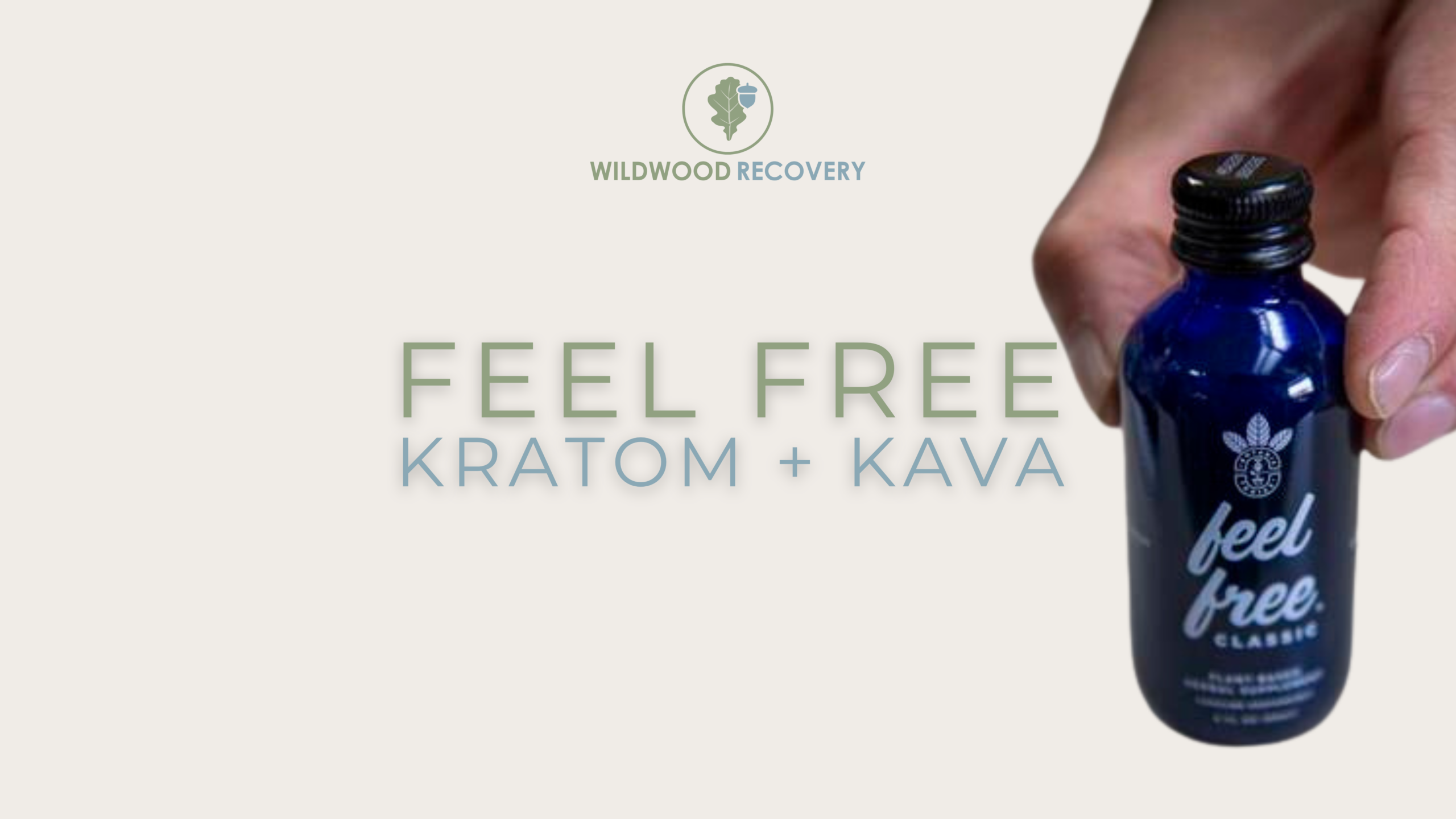
“Feel Free” botanical drinks have become increasingly popular in gas stations, smoke shops, and online stores. These small blue bottles are often marketed as mood boosters, productivity enhancers, or natural alternatives to alcohol.
What many people do not realize is that these drinks contain a combination of kratom and kava, two psychoactive substances that affect the brain in different ways. While they are often labeled as wellness or botanical products, they can still carry real risks, especially with frequent use.
Understanding what is in Feel Free drinks and how they affect the body can help people make informed decisions.
Feel Free Drink at a Glance
| Feature | Details |
|---|---|
| Product type | Botanical wellness drink |
| Main ingredients | Kratom extract and kava |
| Common size | Small bottled shot |
| Intended effects | Relaxation, mood boost, focus |
| Availability | Retail and online |
| Regulation | Not FDA approved |
What Is Feel Free Kratom + Kava?
Feel Free is a branded botanical drink that combines:
- Kratom, a plant that can produce stimulant or opioid-like effects depending on the dose
- Kava, a plant traditionally used for relaxation and calming effects
These drinks are often marketed as:
- alcohol alternatives
- mood enhancers
- productivity drinks
- social or relaxation aids
Because they are sold as supplements rather than medications, they are not regulated in the same way as prescription drugs.
Feel Free vs Other Kratom + Kava Drinks
| Feature | Feel Free (Botanical Tonic) | Kanva (Kava + Kratom) | Other Similar Botanical Shots |
|---|---|---|---|
| Main ingredients | Kratom extract + kava | Kava with some kratom blends (varies by product) | Often kava, kratom, or herbal blends |
| Primary effect | Mood boost, relaxation, mild energy | Relaxation, social calm, mild mood lift | Depends on formula, often calming or uplifting |
| Potency | Moderate to high depending on use | Typically milder, more kava focused | Highly variable |
| Onset time | 15 to 45 minutes | 20 to 60 minutes | Varies |
| Duration | 3 to 6 hours | 2 to 4 hours | Varies |
| Taste profile | Bitter, citrus herbal | Earthy, kava forward | Varies widely |
| Dependence risk | Moderate with frequent use due to kratom | Lower to moderate depending on kratom content | Depends on ingredients |
| Common use case | Alcohol alternative, mood enhancement | Social relaxation, stress relief | Wellness, relaxation, energy |
| Availability | Gas stations, smoke shops, online | Gas stations, specialty shops, kava bars, online | Retail and online |
| Regulation | Not FDA approved | Not FDA approved | Not FDA approved |
Kratom vs. Kava: Key Differences
| Feature | Kratom | Kava |
|---|---|---|
| Plant origin | Mitragyna speciosa (Southeast Asia) | Piper methysticum (South Pacific) |
| Traditional use | Energy, pain relief, mood effects | Relaxation, ceremonial use, stress relief |
| Primary active compounds | Mitragynine and 7-hydroxymitragynine | Kavalactones |
| How it works | Acts on opioid receptors and other pathways | Acts on GABA receptors to promote calm |
| Effects at low doses | Stimulation, focus, increased energy | Mild relaxation, reduced anxiety |
| Effects at higher doses | Sedation, pain relief, euphoria | Strong relaxation, sedation |
| Risk of dependence | Moderate to high with frequent use | Lower, but still possible with heavy use |
| Withdrawal symptoms | Anxiety, irritability, insomnia, aches | Mild in most cases, can include restlessness |
| Liver impact | Possible with heavy or long term use | Associated with liver concerns in some cases |
| Common forms | Powder, capsules, extracts, drinks | Drinks, powders, capsules |
| Onset time | 15 to 45 minutes | 20 to 60 minutes |
| Duration | 3 to 6 hours | 2 to 4 hours |
| Legal status | Varies by state in the U.S. | Generally legal in the U.S. |
| Typical use today | Energy boost, mood, pain management | Stress relief, relaxation, alcohol alternative |
Simple Breakdown
- Kratom can act like a stimulant at low doses and more like an opioid at higher doses
- Kava is primarily calming and used for relaxation
- Kratom tends to have higher misuse and dependence risk
- Kava is generally used for stress relief and social relaxation
How Kratom and Kava Work Together
Kratom and kava affect the brain differently, but when combined, they can create a unique set of effects.
| Ingredient | Primary Effect |
|---|---|
| Kratom | Can act as a stimulant at low doses and produce opioid-like effects at higher doses |
| Kava | Promotes relaxation and calming effects |
Kratom interacts with opioid receptors, while kava affects GABA receptors, which help regulate relaxation and anxiety.
Together, they may create a mix of:
- mild euphoria
- relaxation
- reduced stress
- increased sociability
- sedation at higher doses
Why Feel Free Drinks Are So Popular
Several factors have contributed to the rapid rise of these products:
- easy availability in retail stores
- small, convenient packaging
- marketing as a “natural” alternative
- growing interest in alcohol alternatives
- word of mouth and social media exposure
Because they are sold alongside energy drinks or supplements, many people assume they are low risk.
Reported Effects of Feel Free Drinks
People who use these drinks often report a range of effects depending on dose and frequency. Short term effects may include:
- calm or relaxed feeling
- improved mood
- mild energy or focus
- reduced social anxiety
At higher doses or with repeated use, effects may shift toward:
- sedation
- dizziness
- nausea
- slowed reaction time
Risks and Side Effects
Although Feel Free drinks are marketed as wellness products, they can still carry risks.
Dependence Potential
Kratom based products may lead to:
- tolerance over time
- increased use to achieve the same effect
- withdrawal symptoms when stopping
Withdrawal Symptoms
Some people report:
- irritability
- anxiety
- sleep disturbances
- muscle aches
- fatigue
Liver Concerns
Kava has been associated in some cases with liver stress or damage, especially when used heavily or combined with other substances.
Dose Uncertainty
Because these products are not tightly regulated:
- ingredient concentrations may vary
- labeling may not reflect exact potency
- effects can be unpredictable
Feel Free Drinks and Alcohol
Many people use Feel Free drinks as an alternative to alcohol, but combining them with alcohol can increase risks. Possible concerns include:
- increased sedation
- impaired coordination
- higher risk of liver strain
- unpredictable mental effects
Mixing substances can make it harder to gauge how much has been consumed safely.
Legal Status of Kratom and Kava
The legality of kratom varies by state, while kava is generally legal in most areas.
| Status | Location |
|---|---|
| Kratom banned | Alabama, Arkansas, Indiana, Rhode Island, Vermont, Wisconsin |
| Kratom legal with restrictions | Some states and local jurisdictions |
| Kava | Generally legal in the United States |
Because Feel Free contains kratom, its legality depends on local laws.
Signs of Problematic Use
Some people begin using these drinks casually but develop patterns that may indicate a problem. Warning signs may include:
- daily or frequent use
- needing multiple bottles per day
- difficulty stopping
- using to cope with stress or emotions
- withdrawal symptoms between uses
When to Seek Help
If Feel Free or similar products begin affecting your health, mood, or daily life, support is available. Treatment may include:
- medical detox support
- therapy and counseling
- substance use treatment programs
- relapse prevention planning
Addressing substance use early can make recovery more manageable and improve long term outcomes.
Final Thoughts
Feel Free kratom and kava drinks are often marketed as natural wellness products, but they still affect the brain in meaningful ways. The combination of kratom and kava can produce both stimulating and sedating effects, depending on how they are used.
While some people use these drinks occasionally without issue, regular or high dose use can lead to dependence, withdrawal, and health concerns. Understanding what these products contain and how they work can help people make safer choices and recognize when it may be time to seek support.
Frequently Asked Questions About Feel Free Drinks
What is Feel Free kratom and kava?
Feel Free is a botanical drink that combines kratom and kava, two plant based substances that affect mood, relaxation, and energy levels.
Does Feel Free contain kratom?
Yes. Feel Free drinks contain kratom extract, which can produce stimulant or opioid-like effects depending on the dose.
Is Feel Free addictive?
Some people may develop dependence on kratom containing products, especially with frequent use. This can lead to tolerance and withdrawal symptoms.
Can you drink Feel Free every day?
Daily use may increase the risk of dependence, tolerance, and side effects. It is important to be aware of how often and why the product is being used.
Is Feel Free safer than alcohol?
While some people use it as an alcohol alternative, it still carries risks, especially with repeated use or when combined with other substances.
Sources
[1] McCurdy, C. R., Sharma, A., Smith, K. E., Veltri, C. A., Weiss, S. T., White, C. M., & Grundmann, O. (2024). An update on the clinical pharmacology of kratom: Uses, abuse potential, and future considerations. Expert Review of Clinical Pharmacology, 17(2), 131–142. https://doi.org/10.1080/17512433.2024.2305798
[2] Stanciu, C., Ahmed, S., Gnanasegaram, S., Gibson, S., Penders, T., Grundmann, O., & McCurdy, C. (2022). Kratom as an opioid alternative: Harm, or harm reduction? A systematic review of literature. American Journal of Drug and Alcohol Abuse, 48(5), 509–528. https://doi.org/10.1080/00952990.2022.2111685
[3] Galbis-Reig, D. (2019). Kratom withdrawal: A systematic review with case series. Wisconsin Medical Journal, 118(1), 8–15. https://pubmed.ncbi.nlm.nih.gov/30614408/
[4] Yunusa, S., Müller, C. P., & Hassan, Z. (2024). Mitragynine (kratom)-withdrawal behaviour and cognitive impairments can be ameliorated by an epigenetic mechanism. British Journal of Pharmacology, 181(13), 2070–2084. https://doi.org/10.1111/bph.16352
[5] National Institute on Drug Abuse. (2024). Kratom. National Institutes of Health. https://nida.nih.gov/research-topics/kratom
[6] LiverTox: Clinical and Research Information on Drug-Induced Liver Injury. (2018). Kava kava. National Institute of Diabetes and Digestive and Kidney Diseases. https://www.ncbi.nlm.nih.gov/books/NBK548637/
[7] Teschke, R. (2011). Kava hepatotoxicity in traditional and modern use: The presumed Pacific kava paradox hypothesis revisited. British Journal of Clinical Pharmacology, 73(2), 170–183. https://pmc.ncbi.nlm.nih.gov/articles/PMC3269575/