
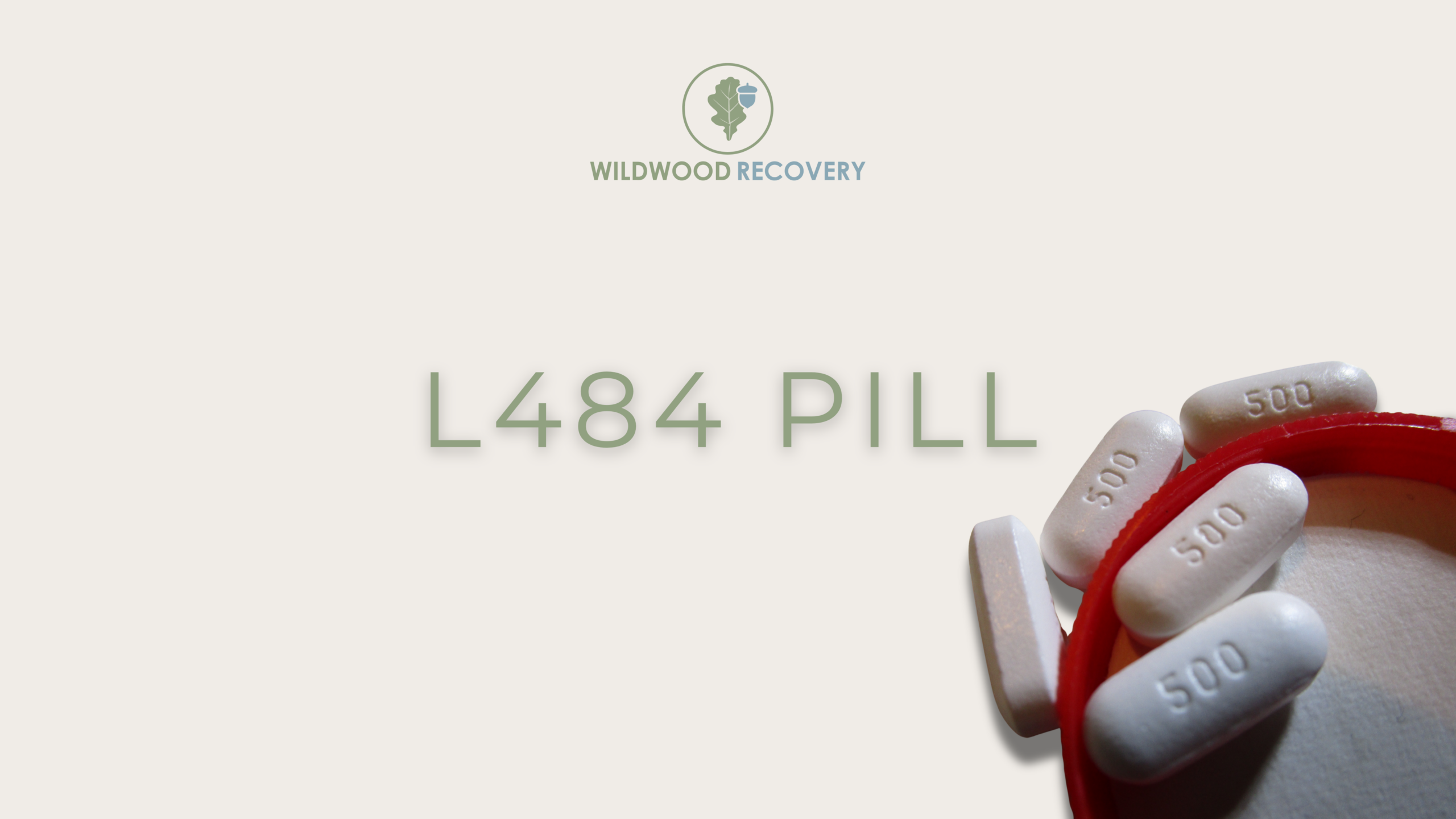
If you have ever found a white capsule shaped pill labeled L484, you may wonder what it is and whether it is safe. Many people discover this pill in medicine cabinets, purses, or on the floor of a home and assume it might be a prescription medication.
In reality, the L484 pill is acetaminophen, a very common over the counter pain reliever used to treat headaches, fever, and minor pain. Even though it is widely available and generally safe when used properly, acetaminophen can become dangerous when taken in high doses or combined with other medications that contain the same ingredient.
Understanding what the L484 pill is and how it should be used can help prevent accidental overdose and other health risks.
L484 Pill At a Glance
| Feature | Details |
|---|---|
| Pill imprint | L484 |
| Color | White |
| Shape | Capsule shaped |
| Active ingredient | Acetaminophen |
| Strength | 500 mg |
| Drug class | Analgesic and antipyretic |
| Availability | Over the counter |
What Is the L484 Pill?
The L484 pill contains 500 milligrams of acetaminophen, a medication commonly used for pain relief and fever reduction. Acetaminophen is one of the most widely used medications in the United States. It is the same active ingredient found in Tylenol and many cold, flu, and pain products. People commonly take acetaminophen to treat:
- headaches
- muscle aches
- tooth pain
- fever
- minor arthritis pain
- cold and flu symptoms
Because it is available without a prescription, many people assume it carries little risk. However, acetaminophen must still be taken carefully because high doses can cause serious liver damage.
What Does the L484 Pill Look Like?
The L484 pill has several identifying features that make it easy to recognize.
- white color
- capsule shaped tablet
- imprint “L484” on one side
- smooth surface without scoring
If a pill does not match these characteristics exactly, it may be a different medication and should be verified using a pill identifier or by speaking with a pharmacist.
How Acetaminophen Works
Acetaminophen works by affecting the body’s pain and temperature regulation systems. It reduces pain signals in the brain and helps lower body temperature during fever. Unlike some other pain relievers, acetaminophen does not significantly reduce inflammation. Because of this, it is often used when people cannot take nonsteroidal anti inflammatory drugs such as ibuprofen or aspirin.
L484 Pill Dosage Guidelines
For adults and teenagers, acetaminophen is generally considered safe when used within recommended limits.
| Dosage Guidance | Amount |
|---|---|
| Typical single dose | 500 to 1000 mg |
| Maximum single dose | 1000 mg |
| Maximum daily dose | 3000 to 4000 mg depending on product |
Taking more than recommended can increase the risk of liver injury, especially if used repeatedly over several days. People should also check other medications they are taking because many products already contain acetaminophen.
Acetaminophen vs Ibuprofen
People often compare acetaminophen with ibuprofen because both are used for pain relief.
| Feature | Acetaminophen | Ibuprofen |
|---|---|---|
| Drug class | Analgesic and fever reducer | NSAID |
| Reduces inflammation | No | Yes |
| Stomach irritation risk | Low | Higher |
| Liver impact | Possible at high doses | Rare |
| Kidney impact | Rare | Possible with long term use |
Both medications can be useful when taken appropriately, but they work differently in the body.
Risks of Taking Too Much Acetaminophen
Acetaminophen overdose is one of the most common causes of medication related liver injury in the United States. Taking too much can lead to serious health problems including:
- liver failure
- severe nausea and vomiting
- confusion
- jaundice
- hospitalization
In severe cases, overdose may require liver transplant or emergency treatment.
Mixing Acetaminophen With Alcohol
Combining acetaminophen with alcohol can significantly increase the risk of liver damage. Both substances are processed by the liver, and taking them together can place additional stress on that organ. People who drink regularly should be especially cautious and may need to take lower doses or avoid acetaminophen altogether depending on medical advice.
Signs of an Acetaminophen Overdose
Symptoms may not appear immediately, which makes overdose particularly dangerous. Possible warning signs include:
- nausea
- vomiting
- sweating
- stomach pain
- loss of appetite
- fatigue
Anyone who suspects an overdose should seek medical attention immediately.
When to Seek Medical Help
If someone has taken more acetaminophen than recommended or shows signs of overdose, emergency care may be necessary. Medical professionals can administer treatments that help prevent severe liver damage if given early. Because many medications contain acetaminophen, accidental overdoses sometimes occur when people unknowingly take multiple products with the same ingredient.
Final Thoughts
The L484 pill is a common acetaminophen tablet used to relieve pain and reduce fever. While it is generally safe when used properly, it still carries risks if taken in excessive amounts or combined with alcohol or other medications that contain acetaminophen.
Reading medication labels carefully and following recommended dosing guidelines can help prevent accidental overdose and keep this widely used medication safe.
Frequently Asked Questions About The L484 Pill
What pill is L484?
The L484 pill is a 500 milligram acetaminophen tablet, a common over the counter medication used to treat pain and reduce fever.
Is the L484 pill Tylenol?
The L484 pill contains the same active ingredient as Tylenol, which is acetaminophen, but it is typically produced as a generic version.
Is L484 a narcotic?
No. Acetaminophen is not an opioid or narcotic. It works differently from medications like oxycodone or hydrocodone.
Can you take two L484 pills at once?
Adults can typically take 1000 mg of acetaminophen at a time, which equals two 500 mg tablets, but they should not exceed the daily recommended limit.
Can L484 cause liver damage?
Yes. Taking too much acetaminophen or combining it with alcohol can cause serious liver damage, especially when high doses are taken repeatedly.
Is acetaminophen addictive?
Acetaminophen itself is not considered addictive, but it is sometimes combined with opioid medications in prescription drugs.
Sources
-
Agrawal, S., & Khazaeni, B. (2024). Acetaminophen toxicity. StatPearls. National Center for Biotechnology Information. https://www.ncbi.nlm.nih.gov/books/NBK441917
-
Fored, C. M., Ejerblad, E., Lindblad, P., Fryzek, J. P., Dickman, P. W., Signorello, L. B., Lipworth, L., Elinder, C. G., Blot, W. J., McLaughlin, J. K., Zack, M. M., & Nyrén, O. (2008). Impact of liver disease, alcohol abuse, and unintentional ingestions on the outcomes of acetaminophen overdose. Gastroenterology. https://pubmed.ncbi.nlm.nih.gov/18486561
-
Larson, A. M. (2008). Acute liver failure including acetaminophen overdose. Medical Clinics of North America, 92(4). https://pmc.ncbi.nlm.nih.gov/articles/PMC2504411
-
Ohashi, N., & Kohno, T. (2020). Analgesic effect of acetaminophen: A review of known and novel mechanisms of action. Frontiers in Pharmacology, 11, 580289. https://pmc.ncbi.nlm.nih.gov/articles/PMC7734311/
Reuben, A. (2016). Acetaminophen. LiverTox: Clinical and research information on drug-induced liver injury. National Center for Biotechnology Information. https://www.ncbi.nlm.nih.gov/books/NBK548162/
-
Sharma, C. V., & Mehta, V. (2014). Acetaminophen. StatPearls. National Center for Biotechnology Information. https://www.ncbi.nlm.nih.gov/books/NBK482369/
-
U.S. Food and Drug Administration. (2023). Acetaminophen information. https://www.fda.gov/drugs/information-drug-class/acetaminophen