
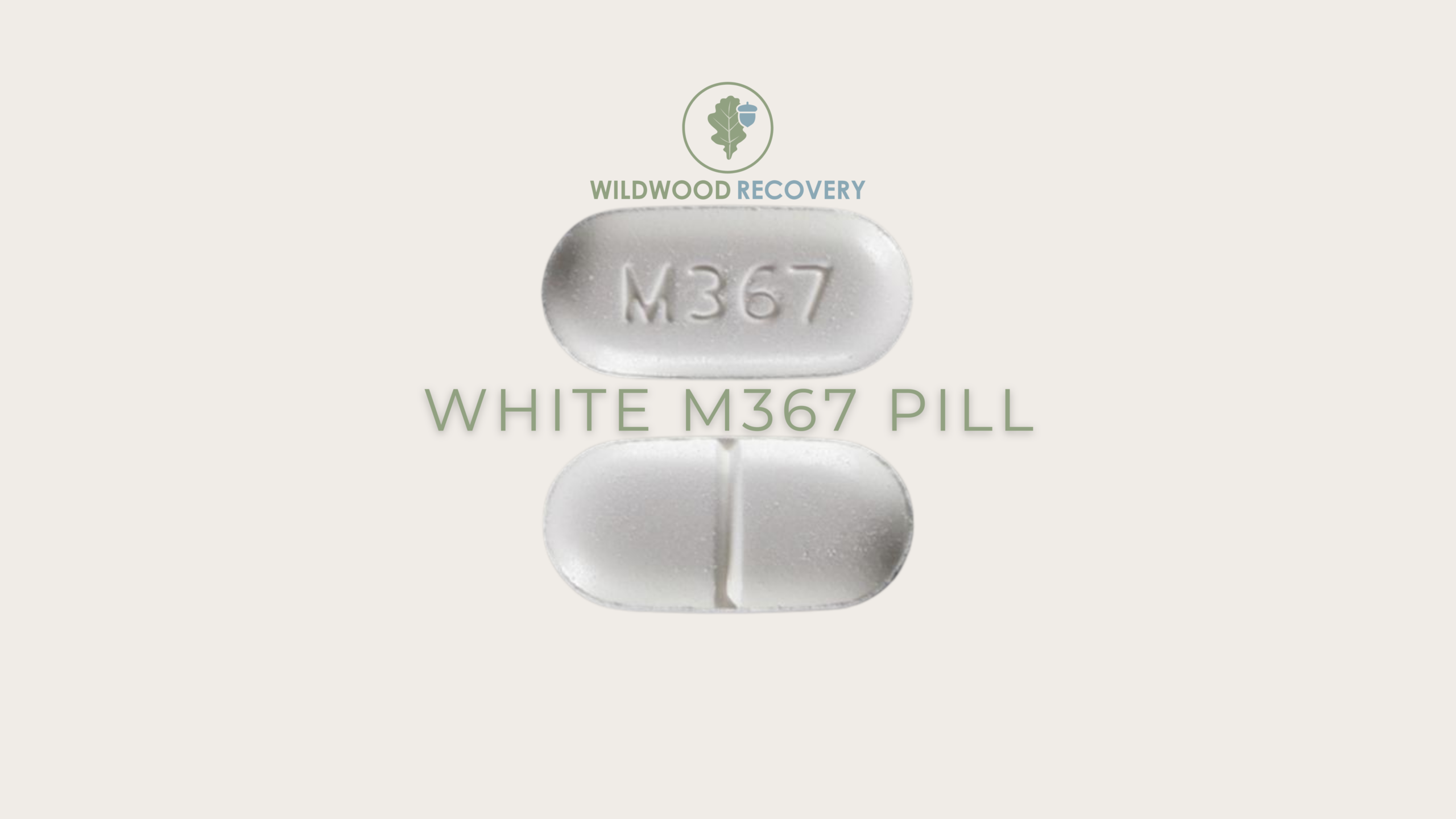
A white M367 pill is a prescription opioid pain medication that contains hydrocodone bitartrate 10 mg and acetaminophen 325 mg. It is usually described as a white, capsule shaped or oblong tablet with “M367” printed on one side. Drugs.com lists the M367 pill as a 15 mm white tablet supplied by Mallinckrodt Pharmaceuticals and identifies it as a Schedule II controlled substance.
This pill is commonly prescribed for pain, but it also carries serious risks. Hydrocodone is an opioid, which means it can slow breathing, cause dependence, and lead to addiction when misused. Acetaminophen is not an opioid, but taking too much can harm the liver. That combination makes M367 risky when someone takes more than prescribed, mixes it with alcohol or other drugs, or takes a pill that did not come from a licensed pharmacy.
For someone searching “white M367 pill,” the question is often simple: what is this pill, and is it dangerous? The answer depends on where it came from, who it was prescribed to, how it was taken, and whether opioid use has started to feel hard to control.
What Is the White M367 Pill?
The white M367 pill is a hydrocodone and acetaminophen combination tablet. Hydrocodone is the opioid pain reliever. Acetaminophen is the non opioid pain reliever also found in Tylenol.
| Pill Detail | Information |
|---|---|
| Imprint | M367 |
| Color | White |
| Shape | Capsule shaped or oblong |
| Size | 15 mm |
| Active ingredients | Hydrocodone bitartrate 10 mg and acetaminophen 325 mg |
| Drug class | Opioid pain medication combination |
| Controlled substance status | Schedule II |
| Common use | Pain relief |
| Legal status | Prescription only |
The 10/325 strength means each tablet contains 10 mg of hydrocodone and 325 mg of acetaminophen. This is one of the stronger common hydrocodone and acetaminophen tablet strengths.
A real M367 pill should come from a licensed pharmacy in a prescription bottle with the patient’s name, medication name, dosage instructions, prescriber, and pharmacy information. A loose pill, street pill, or pill bought online should not be assumed safe, even if it looks correct.
Is M367 Hydrocodone?
Yes. M367 contains hydrocodone. More specifically, it contains hydrocodone bitartrate 10 mg and acetaminophen 325 mg. Hydrocodone combination products are opioid medications that can be prescribed for pain, but MedlinePlus warns they may be habit forming and should be taken exactly as directed.
Hydrocodone affects opioid receptors in the brain and nervous system. This can reduce pain, but it can also cause calmness, sedation, and euphoria. Those effects are part of why some people begin taking the medication outside of its prescribed purpose.
The acetaminophen part matters too. People sometimes focus only on the opioid risk and forget that acetaminophen can be dangerous in high amounts. Taking too many M367 pills can increase the risk of opioid overdose and liver injury at the same time.
What Is the M367 Pill Used For?
Doctors may prescribe hydrocodone and acetaminophen when pain is severe enough to require an opioid and other options are not enough. It may be used after surgery, injury, dental procedures, or other painful medical situations.
That does not mean M367 is meant to be casual pain relief. Because it contains hydrocodone, it is typically used with caution and only under medical supervision. A person should not take someone else’s M367 pill, even if they are also in pain.
There is also a difference between use, misuse, dependence, and addiction. Someone may take M367 exactly as prescribed and still develop physical dependence if they use it regularly for a period of time. Dependence means the body has adapted to the drug. Addiction involves compulsive use, cravings, loss of control, and continued use even when it causes harm.
What Does M367 Feel Like?
When taken as prescribed, M367 may reduce pain and cause drowsiness, relaxation, or lightheadedness. Some people may also feel nauseous, constipated, itchy, dizzy, or mentally slowed down.
When misused, hydrocodone may create a stronger sense of euphoria or emotional relief. That can become dangerous because the brain may start connecting the pill with comfort, escape, or control. A person may begin taking it not just for pain, but to deal with anxiety, stress, sadness, trauma, or withdrawal symptoms.
Over time, tolerance can build. This means the same dose may not feel as strong. A person may start taking more to get the same effect or to avoid feeling sick. That pattern can increase the risk of addiction and overdose.
Side Effects of the White M367 Pill
The white M367 pill can cause side effects even when used as prescribed.
Common side effects may include:
- Nausea
- Vomiting
- Constipation
- Drowsiness
- Dizziness
- Lightheadedness
- Itching
- Dry mouth
- Sweating
- Mental fog
More serious reactions can include severe sleepiness, confusion, low blood pressure, slowed breathing, fainting, allergic reaction, liver injury, and overdose.
The risk becomes much higher when M367 is mixed with alcohol, benzodiazepines, sleeping pills, muscle relaxers, other opioids, or other sedating substances. Combining depressants can make breathing slow down to a dangerous level.
Can the M367 Pill Cause an Overdose?
Yes. The M367 pill can cause an overdose because it contains hydrocodone. Opioid overdose happens when the drug affects the brain and body so strongly that breathing becomes dangerously slow or stops.
- Signs of opioid overdose may include:
- Very slow or shallow breathing
- Blue, gray, or pale lips and fingertips
- Extreme sleepiness
- Not waking up
- Pinpoint pupils
- Limp body
- Cold or clammy skin
- Gurgling, choking, or snoring sounds
Naloxone can reverse opioid overdose symptoms temporarily by blocking opioid effects, but emergency medical help is still needed. The DEA’s One Pill Can Kill campaign also warns that counterfeit pills can contain fentanyl or other synthetic opioids, making pill misuse even more dangerous.
Acetaminophen Risk in M367
M367 is not only risky because of hydrocodone. Each pill also contains 325 mg of acetaminophen. Acetaminophen is common in many medications, including cold medicine, flu medicine, headache medicine, and over the counter pain relievers.
This creates a problem when someone takes multiple products at once without realizing they all contain acetaminophen. Taking too much can lead to liver damage. Alcohol can increase that risk.
Someone taking M367 should avoid combining it with other acetaminophen containing products unless their doctor specifically says it is safe. They should also avoid alcohol while taking it.
Counterfeit M367 Pills
A major danger with any prescription pill imprint is that the pill may not be real. Counterfeit pills can be made to look like legitimate medications. Some fake pills are pressed with markings that resemble real opioid, stimulant, or anxiety medications.
The DEA warns that fake pills are often made to look like real prescription medications and may contain fentanyl or methamphetamine. The agency’s guidance is blunt: only pills prescribed by a trusted medical professional and dispensed by a licensed pharmacist should be considered safe.
This matters because a person may think they are taking hydrocodone when they are actually taking fentanyl or another unknown drug. That can turn one pill into a fatal overdose risk.
A pill should be treated as unsafe if:
- It did not come from your own pharmacy
- It was purchased online without a valid prescription
- It came from a friend, dealer, or social media contact
- It was loose in a bag, pocket, or unlabeled bottle
- The color, imprint, or texture looks unusual
- It breaks apart too easily or looks poorly pressed
- A pill identifier can help identify what a pill may be, but it cannot prove that a pill is authentic.
M367 vs M365 and M366
People often compare M367 to M365 and M366 because all three are white hydrocodone and acetaminophen tablets with similar imprints.
| Imprint | Common Hydrocodone Strength | Acetaminophen |
|---|---|---|
| M365 | 5 mg | 325 mg |
| M366 | 7.5 mg | 325 mg |
| M367 | 10 mg | 325 mg |
M367 contains more hydrocodone than M365 or M366. That means it may have stronger opioid effects and a higher risk of sedation, misuse, and overdose.
This does not mean lower dose pills are safe to misuse. Any hydrocodone product can be dangerous when taken without a prescription or mixed with other substances.
M367 vs. G037
M367 and G037 are both commonly searched hydrocodone and acetaminophen pills. They may both be white and may both contain hydrocodone 10 mg and acetaminophen 325 mg, depending on the specific product. The main difference is the imprint and manufacturer.
| Pill Imprint | Common Identification | Key Concern |
|---|---|---|
| M367 | White oblong hydrocodone 10/325 pill | Opioid overdose, dependence, acetaminophen toxicity |
| G037 | White oval hydrocodone 10/325 pill | Similar opioid and acetaminophen risks |
A person should not choose between them or take either one unless it was prescribed to them. Similar looking pills can still carry serious risks, and counterfeit versions may not contain what the imprint suggests.
Can You Get Addicted to M367?
Yes. Because M367 contains hydrocodone, it can be addictive. Addiction can happen when the brain and body begin to rely on the drug, not only for pain relief, but also for emotional relief, relaxation, or avoiding withdrawal.
Signs of M367 addiction may include:
Taking more than prescribed
Running out early
Craving the medication
Using it to relax or numb emotions
Feeling sick without it
Trying to quit but going back to use
Hiding use from family or friends
Taking pills from someone else
Doctor shopping
Mixing M367 with alcohol or other drugs
Continuing to use despite consequences
Addiction does not always start with street drugs. For many people, opioid addiction begins with prescription pain pills after an injury, surgery, or period of chronic pain. What starts as medical use can slowly become dependence, then misuse, then a cycle that feels difficult to stop.
M367 Withdrawal Symptoms
If someone has been taking M367 regularly, they may experience withdrawal when they stop. Opioid withdrawal can be physically and emotionally intense, especially if someone stops suddenly.
Withdrawal symptoms may include:
- Anxiety
- Restlessness
- Sweating
- Chills
- Runny nose
- Watery eyes
- Muscle aches
- Insomnia
- Stomach cramps
- Nausea
- Vomiting
- Diarrhea
- Irritability
- Strong cravings
Withdrawal is one reason many people keep using even after they want to stop. They are not always chasing a high. Sometimes they are trying to avoid feeling sick. Medical detox can help make this stage safer and more manageable.
When a Pain Pill Problem Needs Treatment
A person does not have to wait until everything falls apart to ask for help. Treatment may be needed when M367 use becomes hard to control, when withdrawal symptoms appear, or when someone keeps using despite harm.
It may be time to seek help if:
- You are taking M367 without a prescription
- You are taking more than prescribed
- You feel anxious when you are almost out
- You have tried to stop but cannot
- You are mixing it with alcohol or other drugs
- You are buying pills outside a pharmacy
- You are hiding your use
- You are worried about withdrawal
- You are using it to cope emotionally
These signs do not mean someone is weak. They mean the opioid has started to take up more space in their life than it should.
Treatment for Hydrocodone Addiction
Treatment for hydrocodone addiction should address more than the pill itself. It should help with withdrawal, cravings, mental health, trauma, stress, relapse patterns, and life after treatment.
Wildwood Recovery provides addiction treatment services in Thousand Oaks, California, with care for people struggling with substance use and co occurring mental health concerns. The center describes its approach as individualized and focused on long term recovery support.
For someone struggling with M367 or other prescription opioids, treatment may include detox support, residential treatment, therapy, relapse prevention, family involvement, and aftercare planning. The goal is not just to stop taking hydrocodone. The goal is to help someone build a life where they no longer feel controlled by it.
What to Do If You Find a White M367 Pill
If you find a white M367 pill and it is not in a labeled prescription bottle, do not take it. Do not give it to someone else. Keep it away from children and pets.
If someone has already taken the pill and is showing overdose symptoms, call 911 immediately and use naloxone if available. If the person is awake but feels sick, confused, unusually sedated, or worried about what they took, medical help is still important.
For safe disposal, use a pharmacy drug take back program, local law enforcement take back option, or an FDA recommended disposal method.
If the white M367 pill has become part of a cycle you cannot stop, Wildwood Recovery can help. Our Thousand Oaks addiction treatment team supports people struggling with prescription opioids through compassionate care, clinical treatment, and long term recovery planning.
Frequently Asked Questions About M367 Hydrocodone Pills
What is the white M367 pill?
The white M367 pill is a prescription tablet that contains hydrocodone bitartrate 10 mg and acetaminophen 325 mg. It is commonly used for pain and is classified as a Schedule II controlled substance.
Is M367 hydrocodone?
Yes. M367 contains hydrocodone, which is an opioid pain reliever. It also contains acetaminophen, a non opioid pain reliever.
What does the M367 pill look like?
The M367 pill is usually a white, capsule shaped or oblong tablet with “M367” printed on one side.
Is M367 the same as Norco?
M367 is a generic hydrocodone and acetaminophen tablet. Norco is a brand name for hydrocodone and acetaminophen. The ingredients may be similar, but the manufacturer and imprint can differ.
Is M367 stronger than M365?
Yes. M367 commonly contains 10 mg of hydrocodone, while M365 commonly contains 5 mg of hydrocodone. Both contain acetaminophen and both can be dangerous if misused.
Can M367 get you high?
M367 can cause euphoria when misused because it contains hydrocodone. Using it for this effect is dangerous and can increase the risk of addiction, overdose, and withdrawal.
Can you overdose on M367?
Yes. M367 can cause opioid overdose. The risk is higher when someone takes too much, mixes it with alcohol or sedatives, or takes a counterfeit pill.
Can you drink alcohol with M367?
No. Alcohol can increase sedation and breathing risks from hydrocodone. It can also increase the risk of liver damage from acetaminophen.
Are street M367 pills safe?
No. A street pill may look like M367 but contain fentanyl or another dangerous substance. Only pills from a licensed pharmacy should be considered safe.
Does Wildwood Recovery treat hydrocodone addiction?
Wildwood Recovery provides addiction treatment in Thousand Oaks, California, for people struggling with substance use. Someone dealing with hydrocodone misuse, dependence, or opioid addiction can reach out to discuss treatment options.
Sources
- Drugs.com. (n.d.). M367 pill: White, capsule/oblong, 15mm. Retrieved May 15, 2026, from https://www.drugs.com/imprints/m367-3762.html
- MedlinePlus. (n.d.). Hydrocodone combination products. U.S. National Library of Medicine. Retrieved May 15, 2026, from https://medlineplus.gov/druginfo/meds/a601006.html
- Dowell, D., Ragan, K. R., Jones, C. M., Baldwin, G. T., & Chou, R. (2022). CDC clinical practice guideline for prescribing opioids for pain, United States, 2022. Morbidity and Mortality Weekly Report, 71(3), 1–95. https://www.cdc.gov/mmwr/volumes/71/rr/rr7103a1.htm
- U.S. Food and Drug Administration. (2011, January 13). FDA drug safety communication: Prescription acetaminophen products to be limited to 325 mg per dosage unit; boxed warning will highlight potential for severe liver failure. https://www.fda.gov/drugs/drug-safety-and-availability/fda-drug-safety-communication-prescription-acetaminophen-products-be-limited-325-mg-dosage-unit
- U.S. Drug Enforcement Administration. (n.d.). One pill can kill. Retrieved May 15, 2026, from https://www.dea.gov/onepill
- California Department of Public Health. (n.d.). Fentanyl. Retrieved May 15, 2026, from https://www.cdph.ca.gov/Programs/CCDPHP/sapb/Pages/Fentanyl.aspx