
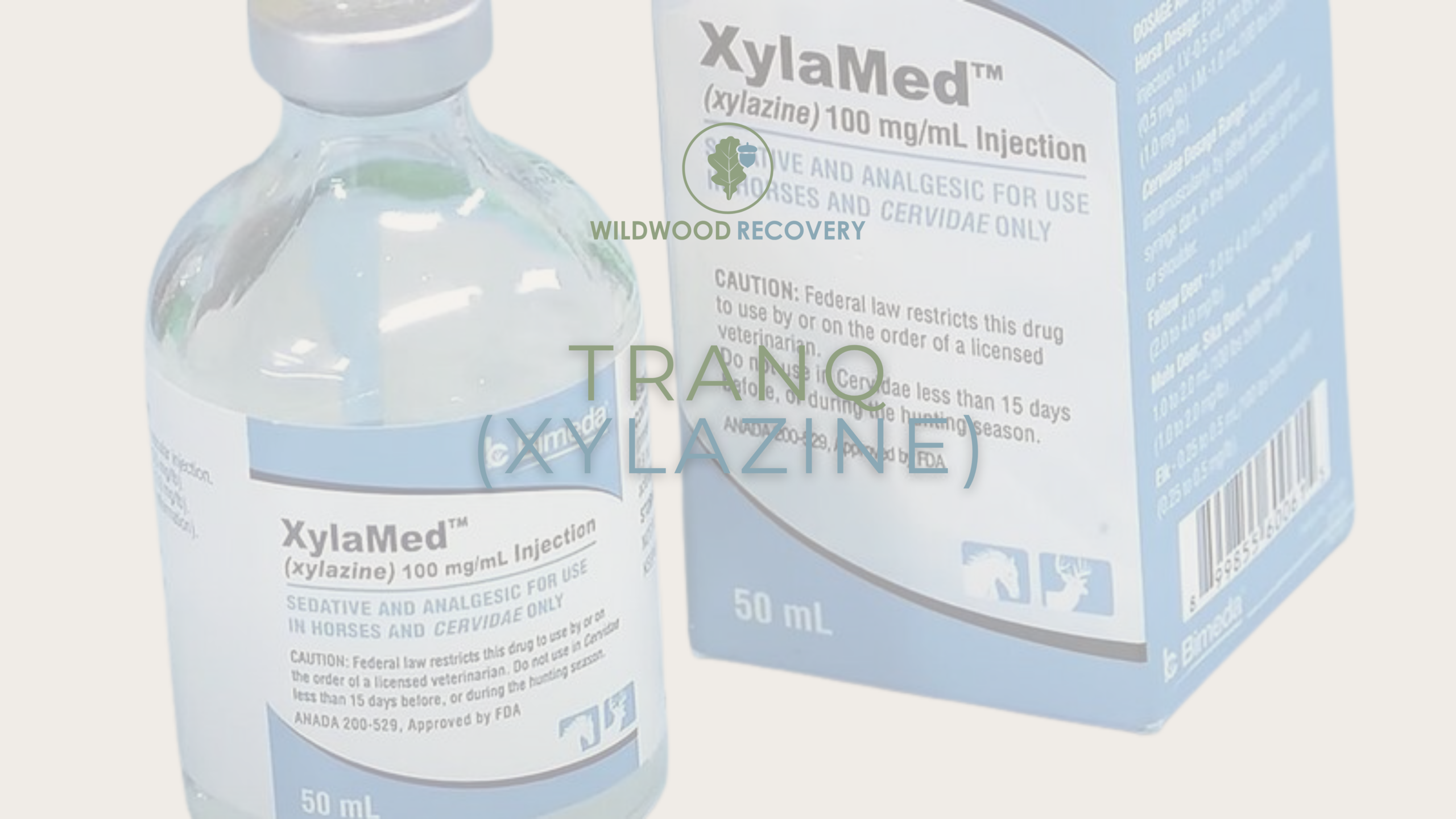
The drug supply has changed quickly over the past few years. What used to be mostly heroin has largely shifted to fentanyl, and now another substance is showing up alongside it. You may hear people call it “tranq.”
Tranq refers to xylazine, a powerful veterinary sedative that is now being found in opioids across the country. It is not approved for human use, and it brings a different set of risks that many people are not prepared for.
This shift is making overdoses harder to reverse, symptoms harder to recognize, and recovery more medically complex.
What Is Xylazine?
Xylazine is a sedative used by veterinarians, especially for large animals like horses. It slows the central nervous system, leading to deep sedation, slowed breathing, and decreased heart rate.
It was never intended for people. There is no approved medical use for humans, and there are no standardized safety guidelines for exposure.
Table 1. Tranq (Xylazine): At a Glance
| Category | Key Facts |
|---|---|
| What It Is | A veterinary sedative not approved for human use |
| Street Names | Tranq, tranq dope |
| Commonly Mixed With | Fentanyl and other opioids |
| Drug Class | Non-opioid central nervous system depressant |
| Why It’s Added | Extends sedation and increases perceived potency |
| Overdose Risk | High, especially when combined with opioids |
| Responds to Naloxone | No, but naloxone should still be used if opioids are suspected |
| Main Overdose Danger | Slowed or stopped breathing that may not fully reverse |
| Sedation Effects | Deep, prolonged, and unpredictable |
| Skin Effects | Severe wounds and ulcers, even without injection |
| Withdrawal Symptoms | Anxiety, agitation, high blood pressure, restlessness |
| Detectable on Standard Drug Tests | Often not included |
| Medical Complications | Infection, tissue damage, cardiovascular instability |
| Treatment Needs | Medical detox, wound care, and opioid treatment if combined |
| Long-Term Risk | Increased overdose likelihood and physical complications |
Why Is Xylazine Being Added to Drugs?
Xylazine is most commonly found mixed with fentanyl. The reason is simple. It changes the experience.
It can extend the sedative effect and make the drug feel stronger or longer lasting. From a supply standpoint, it is also cheaper and easier to obtain than opioids. The problem is that it adds risk without the user knowing it is there.
Why “Tranq” Is Different From Other Drugs
Xylazine changes the rules in a few important ways.
It Is Not an Opioid
Because it is not an opioid, medications like Naloxone do not reverse its effects.
If someone overdoses on a mixture of fentanyl and xylazine, naloxone may help with the opioid portion, but the person can still remain sedated or stop breathing due to xylazine.
It Prolongs Sedation
People exposed to xylazine may remain unresponsive for longer periods, even after emergency intervention. This can make it harder to know whether someone is improving or still in danger.
It Causes Severe Skin Damage
One of the most concerning effects is the development of open wounds.
These wounds are not always related to injection sites. They can appear in other areas of the body and may worsen quickly, sometimes leading to infection, tissue damage, or the need for surgical care.
It Increases Overdose Complexity
With fentanyl alone, overdose response protocols are more established. With xylazine in the mix, the situation becomes less predictable and more difficult to manage in real time.
Signs of Tranq or Xylazine Exposure
Some of the most common signs include:
- Heavy sedation or inability to stay awake
- Slow or irregular breathing
- Confusion or disorientation
- Very low heart rate or blood pressure
- Skin wounds that do not heal or appear suddenly
- Limited response after naloxone is given
Any of these symptoms should be treated as a medical emergency.
What to Do if You Suspect an Overdose
Even if xylazine is involved, you should still respond as you would with any overdose.
- Call 911 right away.
- Administer naloxone if you have it.
- Try to keep the person breathing and positioned safely.
- Stay with them until help arrives.
Naloxone can still save a life by reversing opioids in the system, even if it does not address xylazine directly.
Is There Withdrawal From Xylazine?
Yes, but it looks different from opioid withdrawal.
People may experience:
- Anxiety or agitation
- Increased heart rate
- High blood pressure
- Restlessness
- Difficulty sleeping
Because xylazine is not an opioid, standard medications for opioid withdrawal may not fully address these symptoms. This is one reason medical supervision is so important.
How Treatment Works When Tranq Is Involved
Treatment needs to address both the opioid use and the added complications from xylazine.
At Wildwood Recovery, care is typically structured to support the full picture:
- Medically monitored detox when needed
- Medication support for opioid dependence
- Ongoing monitoring for complications like wounds or cardiovascular symptoms
- Therapy that focuses on patterns, triggers, and relapse prevention
- A step-down approach that helps people stabilize before returning home
This kind of structure matters more as the drug supply becomes less predictable.
Why This Matters for Long-Term Recovery
Xylazine is not just another additive. It changes the risk profile of substance use. People may find themselves more physically dependent, more medically unstable, and more vulnerable to complications than they expected. Recovery is still possible. It just requires a more informed and supportive approach.
Frequently Asked Questions About Tranq (Xylazine)
What does “tranq” mean in drugs?
“Tranq” is a street term for drugs that have been mixed with xylazine, usually alongside fentanyl. Most people using it do not know it is present.
Can naloxone reverse a tranq overdose?
Naloxone can reverse the opioid portion of an overdose, but it does not reverse xylazine. Someone may still remain sedated or have breathing issues even after it is given.
Why does xylazine cause skin wounds?
The exact mechanism is still being studied, but it appears to reduce blood flow to tissues and interfere with healing. This can lead to severe ulcers and infections.
Is tranq addictive on its own?
Xylazine can create physical dependence, especially with repeated use. It is most often seen alongside opioid addiction rather than on its own.
How common is xylazine in the drug supply?
It has been reported increasingly across the United States, particularly in areas already affected by fentanyl. Its presence can vary widely by region and supply source.
Can you test for xylazine?
Specialized test strips exist, but they are not as widely available as fentanyl test strips. Many people do not have access to reliable testing.
What does xylazine withdrawal feel like?
It can include anxiety, agitation, high blood pressure, and restlessness. It is different from opioid withdrawal and may require a different medical approach.
Is treatment different if tranq is involved?
Yes. Treatment may require closer medical monitoring, especially during detox, and a more comprehensive plan to address both opioid dependence and xylazine-related effects.