
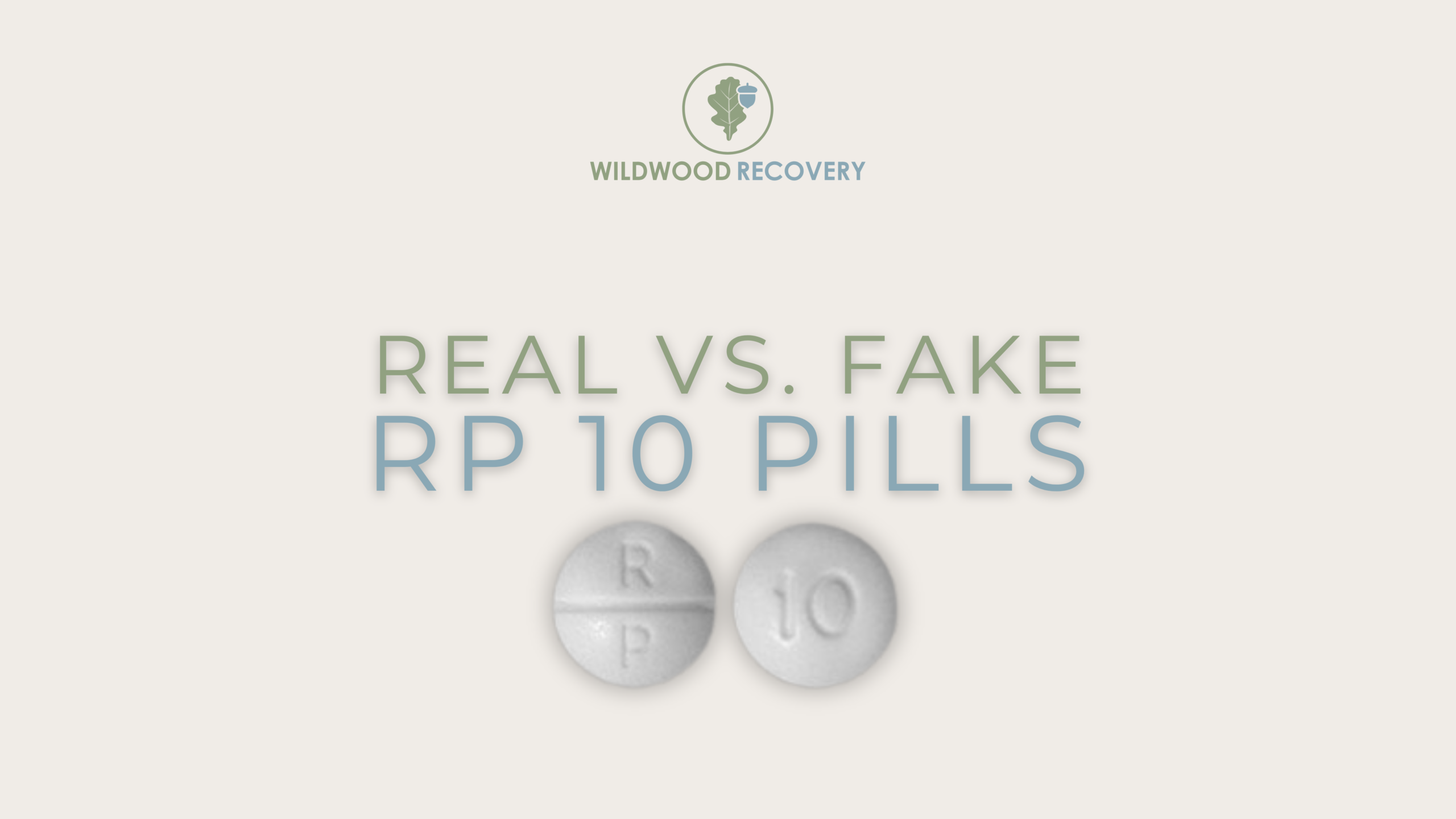
The “RP 10” pill is commonly searched online because it’s one of the more recognizable oxycodone tablets. But with counterfeit pills flooding the illicit market, knowing whether a pill is real or fake is no longer simple or safe to guess.
This guide breaks down what a real RP 10 pill looks like, how fake versions are circulating, and why this matters more than ever.
What Is an RP 10 Pill?
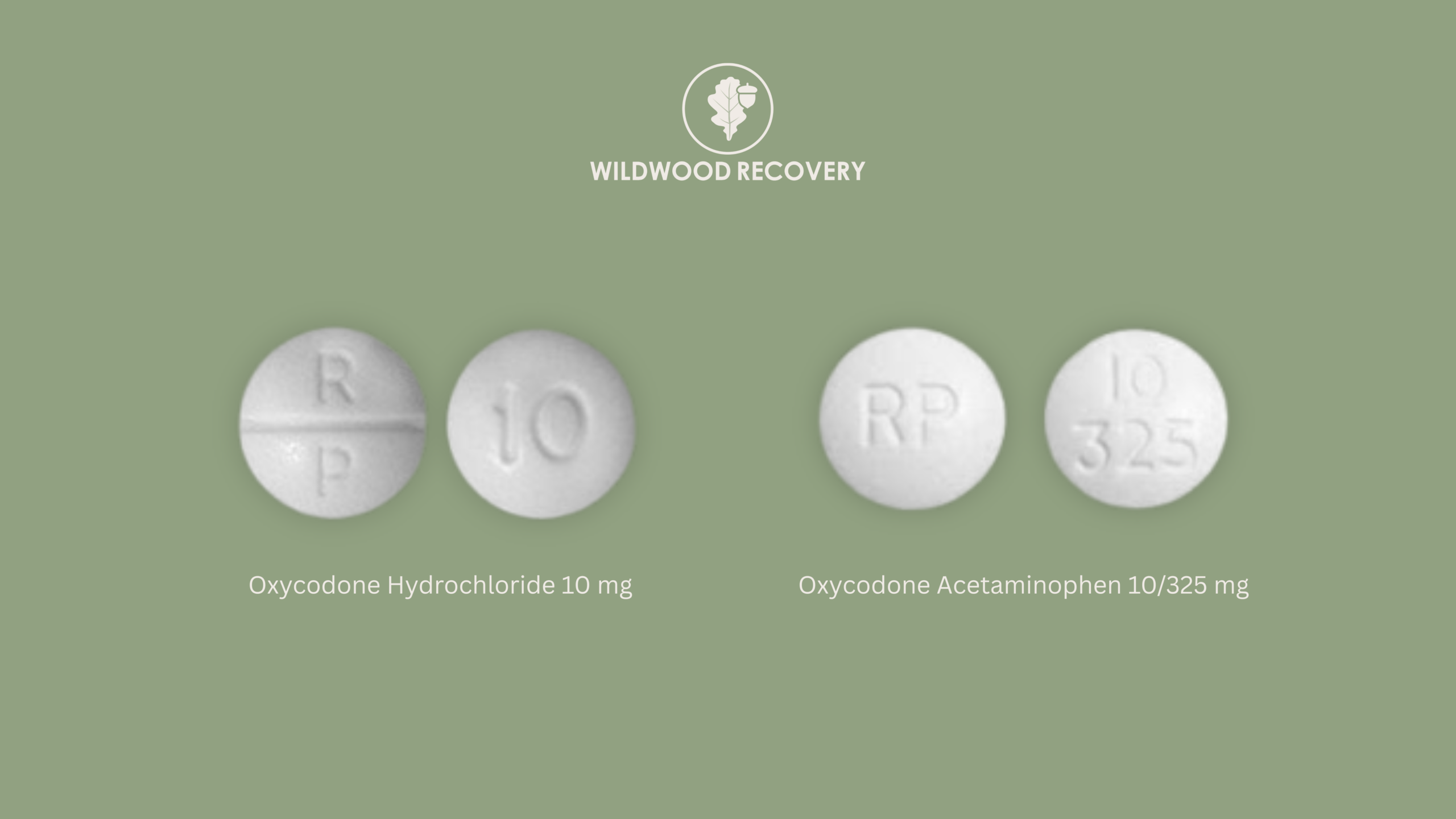
A real “RP 10” pill is a prescription opioid medication containing 10 mg of oxycodone hydrochloride. It is typically used to treat moderate to severe pain.
Key identifiers of a real RP 10 pill:
- Color: White
- Shape: Round
- Imprint: “R P 10” (with spacing between letters)
- Size: Small, about 7 mm
- Drug type: Immediate-release oxycodone (Schedule II opioid)
There is also a similar version labeled “RP 10 325”, which contains:
- 10 mg oxycodone
- 325 mg acetaminophen (Percocet-type formulation)
What Does a Real RP 10 Pill Look Like?
Authentic pills are manufactured under strict pharmaceutical standards, so they tend to look consistent and precise:
- Clean, sharp imprint
- Smooth edges
- Uniform color and thickness
Fake RP 10 Pills: Why They’re So Dangerous
Counterfeit oxycodone pills are now extremely common in the U.S., and many contain fentanyl or other synthetic opioids instead of oxycodone.
The biggest problem is this:
Fake pills are often visually identical to real ones even to experts.
That means appearance alone is not a reliable way to confirm safety.
Signs an RP 10 Pill May Be Fake
Even though fakes can look convincing, there are still some red flags:
1. Inconsistent Imprint
- Letters look too deep, too shallow, or uneven
- Font spacing is off
2. Poor Quality Edges
- Crumbling, chalky, or rough texture
- Uneven thickness
3. Color Variations
- Slight yellowing, gray tint, or speckling
4. No Prescription Source
- Bought online, on the street, or from a friend
- Not dispensed in original pharmacy packaging
5. Unexpected Effects
- Stronger than expected
- Faster onset or extreme sedation
Real vs. Fake RP 10 Pill (At a Glance)
| Feature | Real RP 10 | Fake RP 10 |
|---|---|---|
| Imprint | Clean, evenly spaced “R P 10” | Blurry, uneven, or off-center |
| Texture | Smooth, consistent | Chalky, crumbly, or rough |
| Color | Solid white | Off-white, gray, or speckled |
| Source | Licensed pharmacy | Street or online |
| Contents | Verified oxycodone | Often fentanyl or unknown substances |
Why This Matters More Than Ever
Counterfeit opioid pills have changed the risk completely.
Even a single fake pill can be fatal. Public health agencies have warned that counterfeit pills frequently contain lethal doses of fentanyl, often without the user knowing.
And because fake pills are designed to look exactly like legitimate prescriptions, people who believe they’re taking oxycodone may actually be taking something far more dangerous.
Can You Safely Identify a Fake Pill?
Short answer: No, not reliably by sight alone.
Even trained professionals may not be able to tell without lab testing. That’s why the safest rule is simple: If it didn’t come from a pharmacy with your name on it, you cannot assume it’s real.
What to Do If You’re Unsure About a Pill
- Do not take it
- Avoid relying on appearance alone
- Use drug checking services if available
- Seek medical guidance if exposure has already occurred
The Bigger Picture: Opioid Misuse and Risk
Oxycodone is already a high-risk medication due to:
- Addiction potential
- Respiratory depression
- Overdose risk
When counterfeit pills are involved, those risks increase significantly because:
- Dosage is unpredictable
- Ingredients are unknown
- Potency can vary widely
When It’s Time to Get Help
If you or someone you care about is using oxycodone or other opioids outside of medical supervision, it’s not just about dependence anymore. The risk of counterfeit exposure is now part of the equation.
At Wildwood Recovery, we focus on helping people step away from that uncertainty safely and with support.
Treatment can include:
- Medically supervised detox
- Medication-assisted treatment when appropriate
- Therapy and long-term recovery planning
Final Thoughts
The reality is simple but serious. The difference between a real and fake RP 10 pill is not always visible, but the consequences can be life-changing.
If something feels uncertain, trust that instinct. And if opioid use has become part of your daily life, there are safer ways forward that don’t involve guessing what’s in a pill.
Frequently Asked Questions About The RP 10 Pill
What is an RP 10 pill?
A white, round prescription tablet containing 10 mg of oxycodone used for pain management.
Is RP 10 the same as Percocet?
Not exactly. RP 10 is pure oxycodone, while RP 10 325 includes acetaminophen.
Can fake RP 10 pills contain fentanyl?
Yes. Many counterfeit opioid pills now contain fentanyl or similar synthetic opioids.
Are fake pills easy to spot?
No. Many counterfeit pills look nearly identical to real ones.
What should I do if I took a pill and feel unusual symptoms?
Seek medical help immediately, especially if experiencing slow breathing, extreme drowsiness, or confusion.
Sources
-
Drugs.com. (n.d.). R P 10 pill: White, round, 7mm. Retrieved April 1, 2026, from https://www.drugs.com/imprints/r-p-10-16896.html
-
Drug Enforcement Administration. (n.d.). One pill can kill. U.S. Department of Justice. Retrieved April 1, 2026, from https://www.dea.gov/onepill
-
Drug Enforcement Administration. (2021, October 1). DEA issues public safety alert on sharp increase in fake prescription pills containing fentanyl and meth. U.S. Department of Justice. Retrieved April 1, 2026, from https://www.dea.gov/press-releases/2021/10/01/dea-issues-public-safety-alert-sharp-increase-fake-prescription-pills
-
Centers for Disease Control and Prevention. (2025, June 9). Understanding the opioid overdose epidemic. Retrieved April 1, 2026, from https://www.cdc.gov/overdose-prevention/about/understanding-the-opioid-overdose-epidemic.html
-
MedlinePlus. (2026, January 15). Oxycodone: Drug information. U.S. National Library of Medicine. Retrieved April 1, 2026, from https://medlineplus.gov/druginfo/meds/a682132.html
-
DailyMed. (n.d.). Oxycodone hydrochloride tablets, USP, for oral use, CII. U.S. National Library of Medicine. Retrieved April 1, 2026, from https://dailymed.nlm.nih.gov/dailymed/fda/fdaDrugXsl.cfm?setid=7ec1ff9d-221f-463e-b2d4-5a0360b9c4d2&type=display
-
Substance Abuse and Mental Health Services Administration. (2025, September 23). Misuse of prescription opioids, opioids, and fake pills. Retrieved April 1, 2026, from https://www.samhsa.gov/substance-use/learn/prescriptions-opioids
-
National Institute on Drug Abuse. (2024, November 22). Opioids. National Institutes of Health. Retrieved April 1, 2026, from https://nida.nih.gov/research-topics/opioids